
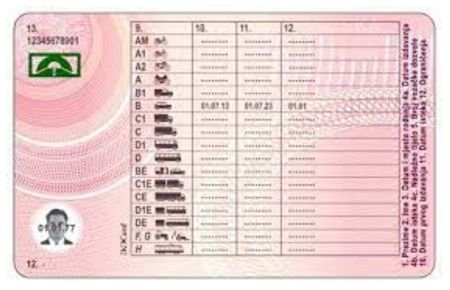
If you want to drive anything on the roads of the UK, you must have a driving license. You might think there’s just one kind, but Driving License Categories encompass various cars.
In this helpful tutorial, we explain everything. Look at our selection of the top first automobiles for new drivers if you recently passed your test. Check out our finest new car bargains for even more wonderful choices.
What is the UK driving licence?
A UK driving licence is an official document which permits an individual to legally drive a motor vehicle on public roads in the United Kingdom.
The licence is issued by the Driver and Vehicle Licensing Agency (DVLA) after an individual has passed the necessary driving tests.
Driving License Categories also contains information about the individual, such as their name, address and date of birth. In addition to a valid driving licence, drivers must also carry a valid insurance policy and vehicle registration documents to legally drive a motor vehicle in the UK.
Who can obtain a driving license in the UK?
The earliest age at which a driver’s license can be obtained is 16, but only for mopeds, miniature tractors, or cars if you are receiving a higher rate of disability allowance.
You can obtain a regular car driving license at 17, but you must wait until 21 to operate larger vehicles, such as full-size tractors, minibuses, or lorries.
When you become 24, you’ll also be able to operate powerful motorcycles and buses. You must pass a test to obtain a license, which often consists of a theory test and a driving exam.
Any person above the age of 17 may take these tests. However, you must renew your license every five years until age 65 if you are over 45 and want to operate a truck or bus.
You can operate various vehicles on a regular Driving License Category. With a basic UK driving license and a pass, you can operate the following types of vehicles without taking an additional driving test:
| Category | Vehicle Type | Restrictions* |
| B | Cars | Maximum 8 passenger seats |
| B auto | Automatic cars | |
| B + E | Category B + trailer | Up to 3,500kg |
| B1 | Light vehicles | Up to 550kg with goods |
| F | Tractor | Age limits |
| K | Pedestrian vehicles | Self-propelled |
| Q | 2-wheeled motors | Maximum speed 15.5mph and engine size not more than 50cc |
Unconventional vehicle categories
Although drivers with older licenses may automatically be permitted to drive vehicles in this list, you may need to take an additional exam to operate a vehicle in one of the following categories:
| Category | Vehicle Type | Restrictions* |
| A | Motorbikes | |
| AM | 2 or 3-wheeled motors | Max speed between 15.5mph and 28mph |
| C | Large lorries over 3,500kg | Maximum trailer up to 750kg |
| C + E | Category C + trailer | |
| C1 | Lorries between 3,500kg and 7,500kg MAM | Maximum trailer up to 750kg |
| C1 + E | Category C1 + trailer | Combined MAM up to 12,000kg |
| D | Bus with more than 8 passengers | Trailer up to 750kg MAM |
| D + E | Category D + trailer | |
| D1 | Minibus | Up to 16 passenger seats, max length 8 m, trailer up to 750kg |
| D1 + E | Category D1 + trailer | Maximum combined MAM of vehicle and trailer up to 12,000kg |
| G | Road roller | Age restrictions apply |
| H | Tracked vehicles | Age restrictions apply |
| L | Electrically propelled vehicles | |
| N | Vehicles exempt from duty | |
| P | Moped | Up to 50cc, max speed 50km/h |
Including additional categories on your driver’s license
Obtaining a provisional entitlement and passing an approved test to demonstrate your driving prowess may be required if you want to add more vehicle categories to your driving license.
After that, you can add the higher vehicle category to your license. For instance, you can only apply for a provisional license to operate a bus or lorry with a full car license (Category B) (Category D).
You can then submit an application to take the test for the higher category after you have the provisional entitlement. Find out how to upgrade your license’s category privileges.
Driving when ineligible for a license
It’s important to spend a few minutes learning which vehicles you can and cannot drive because the repercussions of not having the proper license can be severe.
Driving a vehicle without the proper license is against the Road Traffic Act, punishable by an LC20 conviction code and up to 6 penalty points.
Additionally, your auto insurance may be deemed void. One of the reasons an insurer requests information on your driver’s license is because they can verify that you have the legal right to operate the kind of car you’re looking to insure.